
A Journey Through Tradition and Luxury
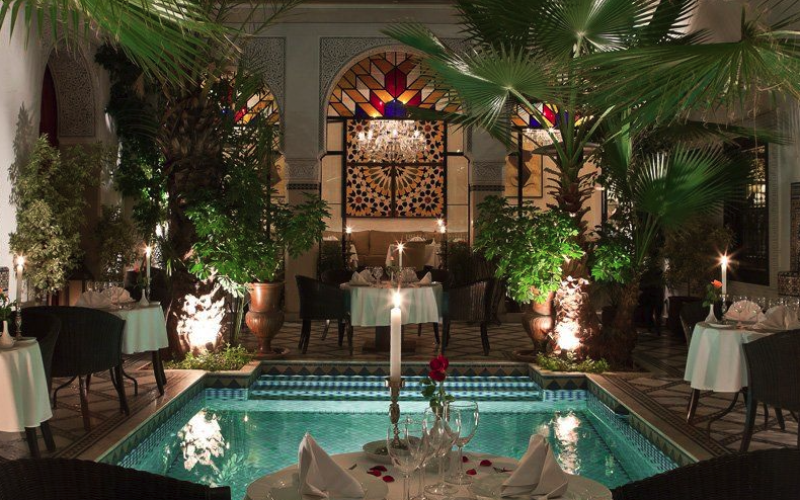
Morocco's legendary hospitality, known as "Diyafa," is deeply rooted in cultural traditions that date back centuries.
The Foundation of Moroccan Hospitality
Moroccan hospitality isn't simply a service standard—it's a cultural cornerstone that reflects the country's values of generosity, respect, and community. This tradition of welcoming guests predates modern tourism, originating from Berber customs and Islamic teachings that consider guests as blessings. In Morocco's diverse landscapes—from bustling medinas to tranquil desert camps—hospitality manifests as an authentic expression of cultural identity.
£Rituals of Welcome
The ceremonial pouring of mint tea serves as the quintessential symbol of Moroccan welcome. This ritual, performed with theatrical flair as tea is poured from height into small glasses, creates not just a beverage but a moment of connection. The three traditional glasses offered represent life's progression: "The first glass is bitter like life, the second is sweet like love, and the third is gentle like death."
The Luxury Hospitality Sector
Morocco has masterfully balanced preserving authentic hospitality traditions while developing a world-class luxury hospitality sector. Iconic properties like La Mamounia in Marrakech and Royal Mansour blend opulent accommodations with distinctly Moroccan service philosophies. These establishments have elevated traditional hospitality elements—from architecture to cuisine—creating immersive cultural experiences that appeal to discerning global travelers.
Culinary Hospitality
Food forms the heart of Moroccan hospitality. Shared meals, particularly tagines and couscous served from communal dishes, create bonds between hosts and guests. The offering of abundant food transcends mere sustenance—it's a symbolic gesture of generosity and goodwill. In Moroccan homes and restaurants alike, meals become elaborate affairs where conversation and connection flourish alongside culinary delights.
Career Opportunities in Moroccan Hospitality
The thriving tourism sector has created diverse career pathways for hospitality professionals. From luxury riads to international hotel chains, opportunities span traditional roles and innovative positions that bridge cultural heritage with modern service excellence. Hospitality education has evolved to meet this demand, with specialized training programs developing talent that understands both international standards and uniquely Moroccan hospitality traditions.
Challenges and Evolution
As global tourism evolves, Moroccan hospitality faces the challenge of maintaining authenticity while meeting contemporary expectations. Sustainability concerns, technological integration, and changing traveler preferences require thoughtful adaptation. Yet the essence of Moroccan hospitality—genuine human connection and generosity—remains timeless, providing a strong foundation for continued innovation.